Restless DevelopmentClimate Labs

Fair Futures Forum / Learnings and impact

What the collective has changed

FFF has made significant progress through collaboration that puts inclusion and people at the centre of climate action.

1

From fringes to the core

Bringing the concerns of the marginalised to the front line of climate action by foregrounding evidence

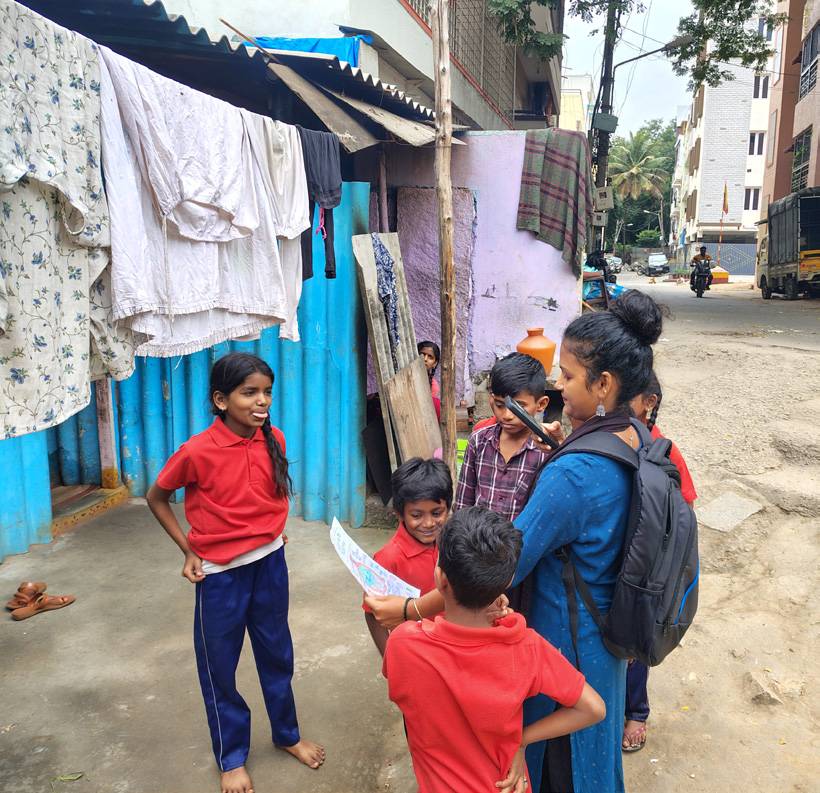
The network has made a compelling case for bottom-up approaches so that excluded communities are acknowledged, represented and involved in localising climate action. BCAP recognised the disproportionate impact of climate change on vulnerable communities and highlighted the importance of hyperlocal evidence in shaping local action.

  • Nagara Pravaha study
  • Ward Factsheets
  • Extreme weather and migrant communities
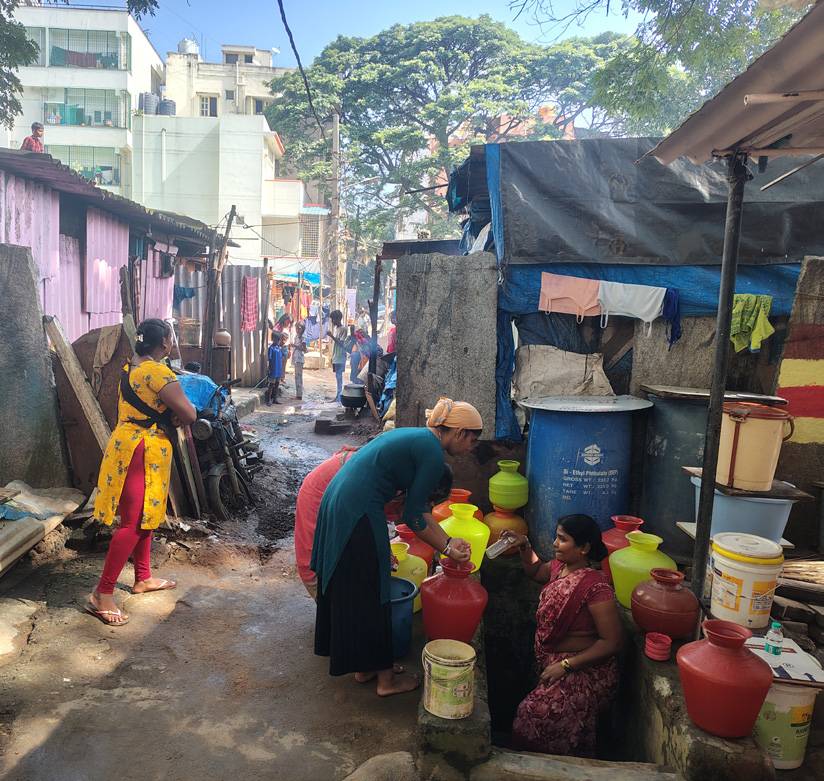
Residents collecting water in a dense Bengaluru laneChildren taking part in a neighbourhood survey
2

Turning the tables

Creating inclusive spaces and building agency so communities speak for themselves

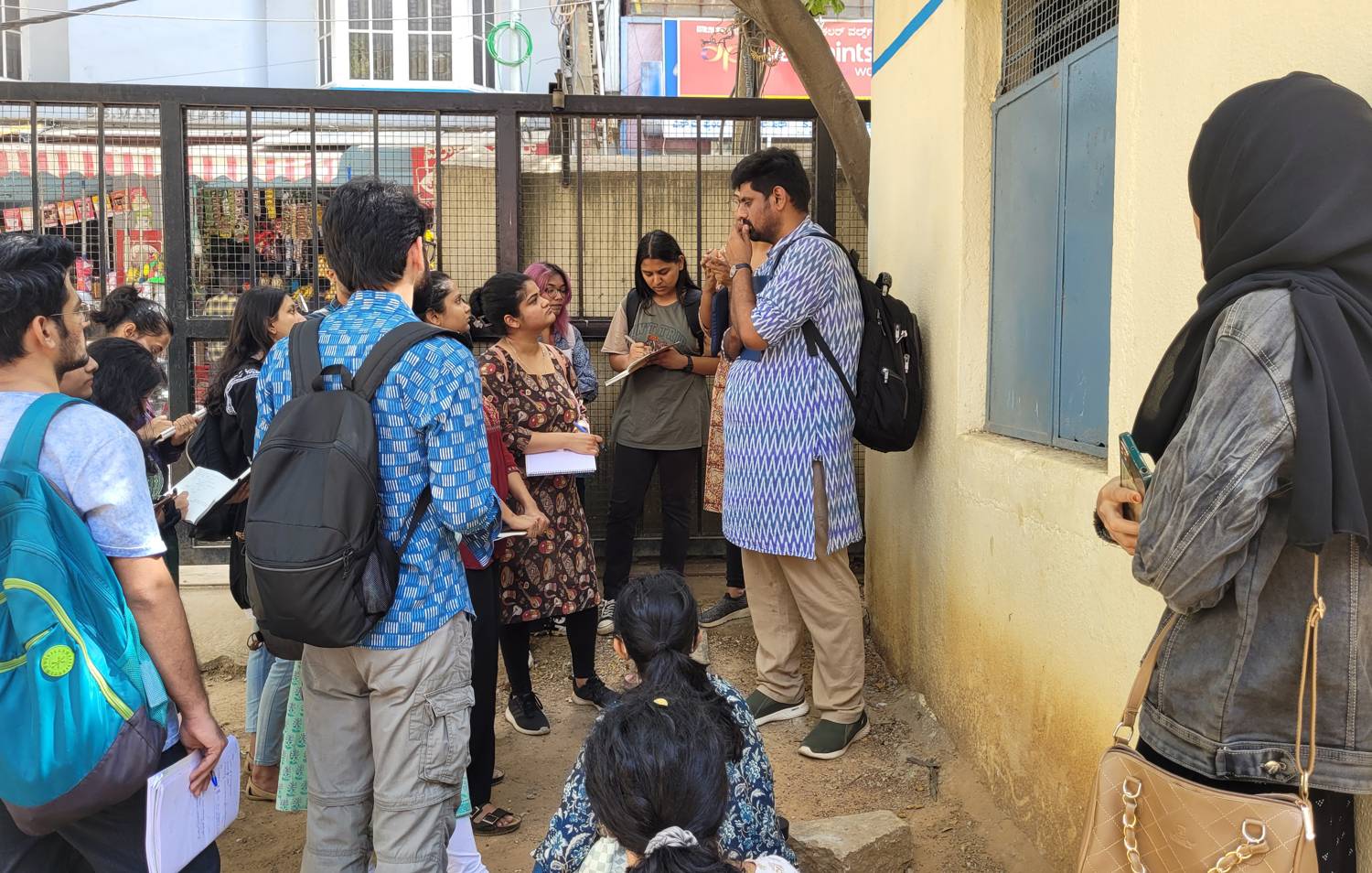
Shifting from "for the people" to "by the people", the collective has built participatory platforms where vulnerable groups, including migrant workers, voice their lived experience of climate stress. Community members have set out not only their challenges but their demands of key institutions. This is people-centred climate action in practice: those building the city engage directly with its planners.

  • Citizens' jury
  • Voice of the Voiceless convening, with the Climate Action Cell
Young people on a community-led walking audit
3

Staying on course

Building a resilient Community of Practice that keeps enriching climate action with the right knowledge

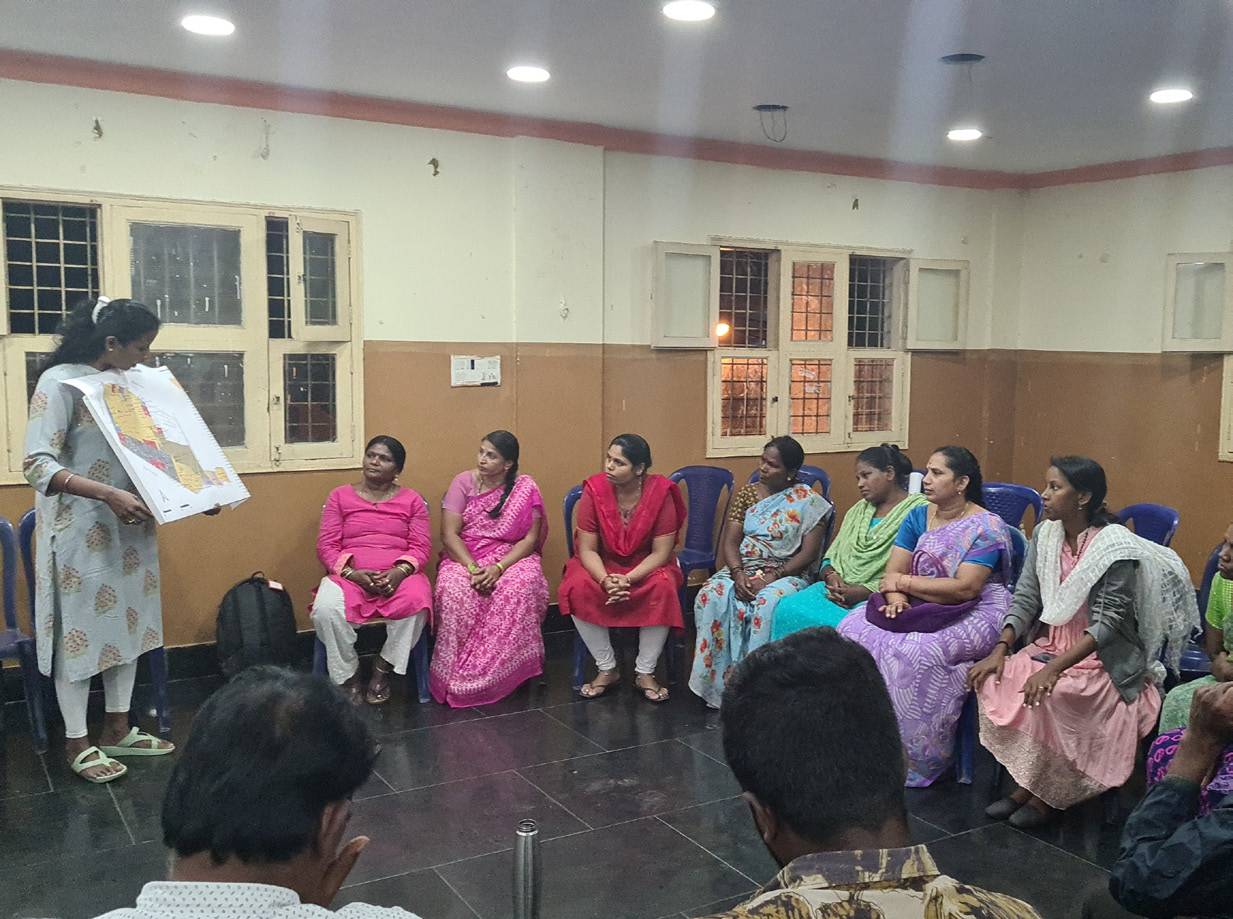
Deep-rooted, systemic problems need a community of practice that thrives through change. FFF partners have built a connected community of experts, practitioners, thinkers and doers who share knowledge and solve problems together. Despite shifts in the policy and institutional landscape, the collective keeps making the case for understanding intersectional vulnerabilities in local climate action.

  • Inclusive Climate Action session
  • Waste pickers' vulnerabilities
  • Co-creating climate priorities
  • Towards a Low-carbon, Inclusive and Livable Bengaluru
Women in a circle at a community knowledge-sharing session
4

Amplifying and multiplying for scale

Fostering collaboration within and beyond the climate action ecosystem to make the whole bigger than its parts

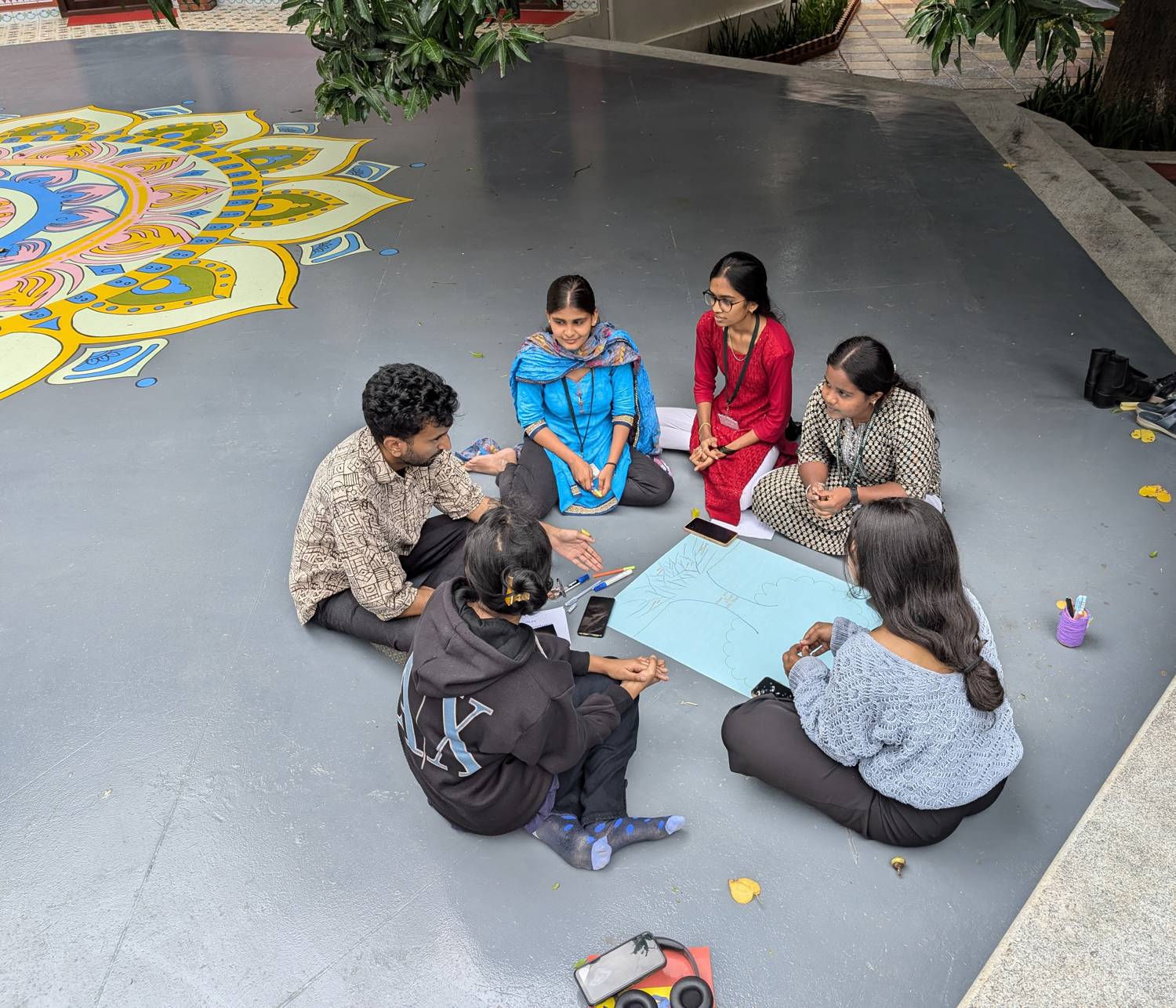
No single organisation can shift a city's climate path alone. By pooling research, community networks, convening power and policy access, FFF links work on waste, housing, migration, health, mobility and youth action that once ran in parallel, so each partner's evidence and relationships strengthen the others.

Young people sketching ideas on the floor beside a large painted rangoli
5

Nudging system shifts

Strengthening engagement with policymakers to mainstream people-centric climate action

FFF partners have brought inclusion and community voices into Bengaluru's policy and bureaucratic circles. With the Urban Development Department of Karnataka, the Bruhat Bengaluru Mahanagara Palike (now the Greater Bengaluru Authority) and the Climate Action Cell, they have convened high-level dialogues on vulnerability-focused, participatory approaches.

  • Inclusive Climate Action
  • Towards a Low-carbon, Inclusive and Livable Bengaluru
  • Voice of the Voiceless
  • Climate Budgeting workshop
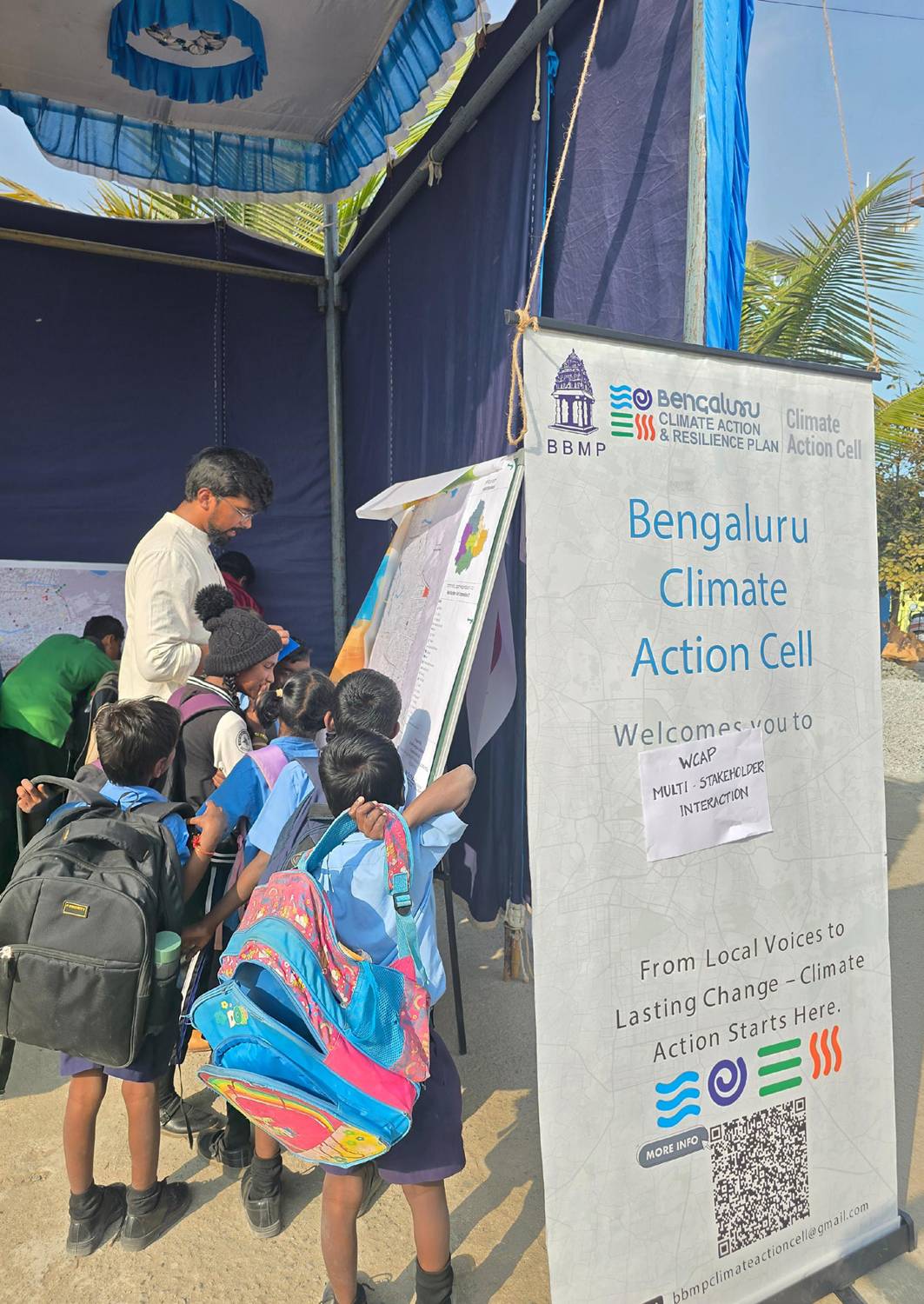
Schoolchildren at the Bengaluru Climate Action Cell stall during a multi-stakeholder interaction